

AI-assisted operations
Using ML to spot trouble early and scale ahead of load, instead of paging someone after it has already broken.
I'm Ashiwani, a Linux DevOps and SRE engineer in Abu Dhabi. For 7+ years I've looked after systems that can't go down. Right now that's critical aviation infrastructure in the UAE, running on Kubernetes, OpenShift and AWS at 99.9% uptime.
➜ ~ kubectl get nodes -o wide
✔24/24 nodes Ready · 5 clusters · 3 regions
➜ ~ uptime --check --env production
✔99.9% over the last 12 months
➜ ~ whoami
ashiwani — Linux DevOps / SRE, Abu Dhabi
I've spent seven years on systems people only notice when they break: airport infrastructure, hospital platforms, telecom networks. Right now I look after critical aviation systems for a government client in the UAE, where 99.9% uptime is the floor, not the goal. I'm originally from India and now live in Abu Dhabi.
Almost everything I run is open source: Linux, Kubernetes, Terraform, Ansible. It's what I learned on, and it's what I trust in production.
Infrastructure for aviation systems run for a government client in the UAE, and a related project in Oman. There's never a good time for an airport to go offline.
Cloud migrations, pipelines, on-call firefighting. The unglamorous work that keeps your product shipping.
Infrastructure doesn't screenshot well, so I've drawn what each project actually looked like.
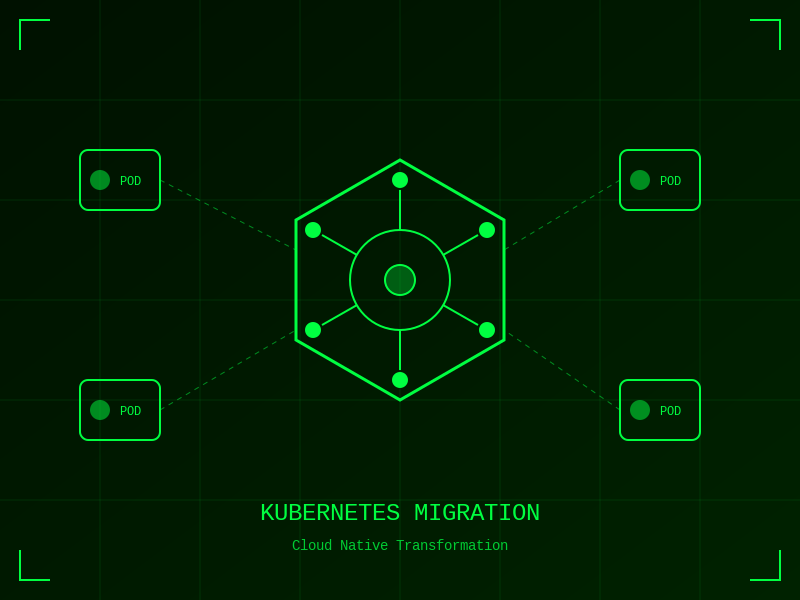
Broke monolithic apps into services and moved them onto Kubernetes, with Argo CD deploying straight from Git. Deployments got about 40% faster.
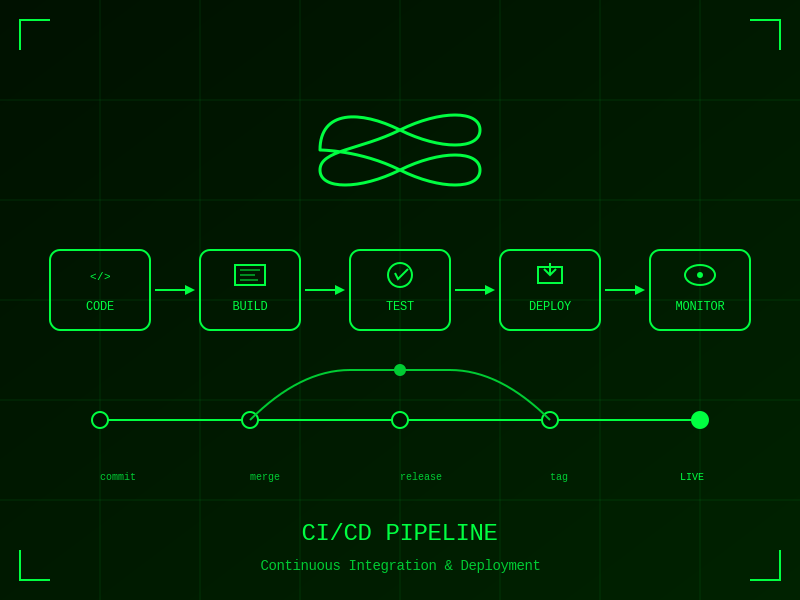
Jenkins and GitLab CI pipelines that build, test and run security scans on every change. Deployments that used to take hours now take minutes.
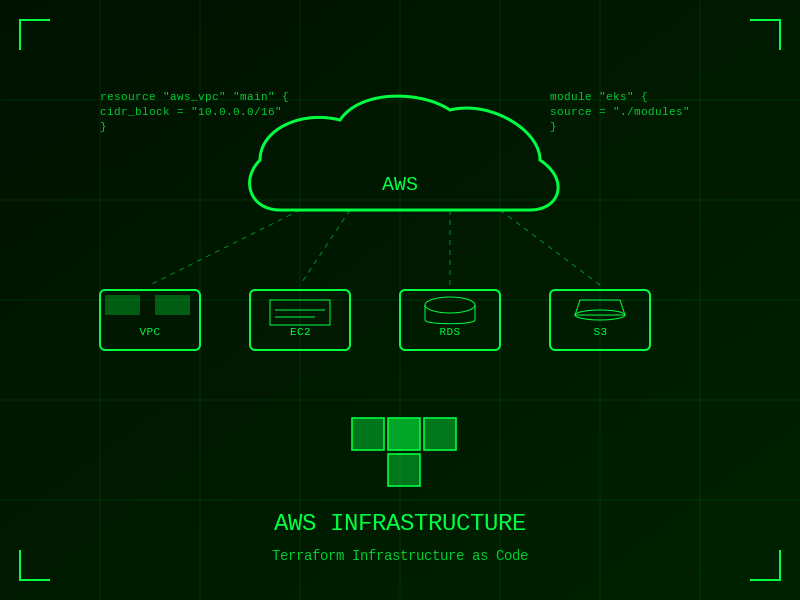
Wrote Terraform for our AWS setup, from VPCs to databases. A new environment went from days of manual work to a few minutes.
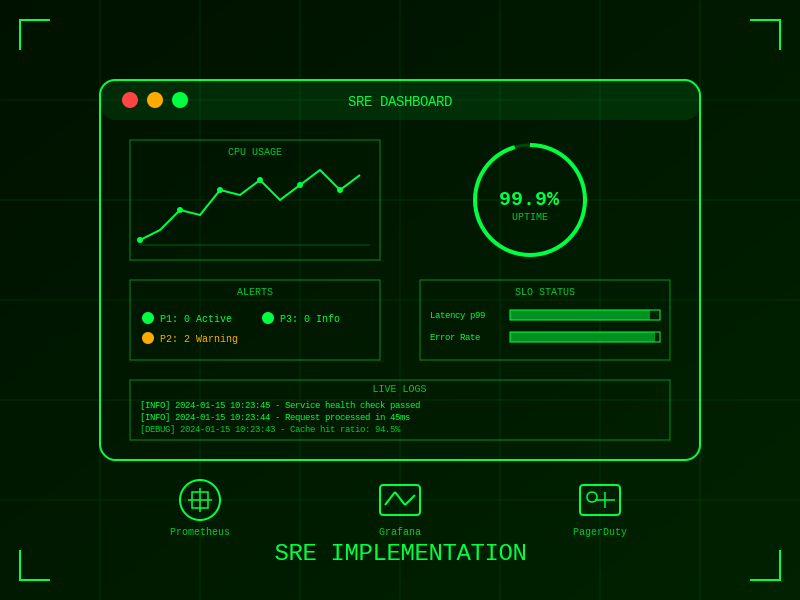
Set up SLOs, Prometheus and Grafana dashboards and alerting that catches problems before users do. Uptime has held at 99.9%.
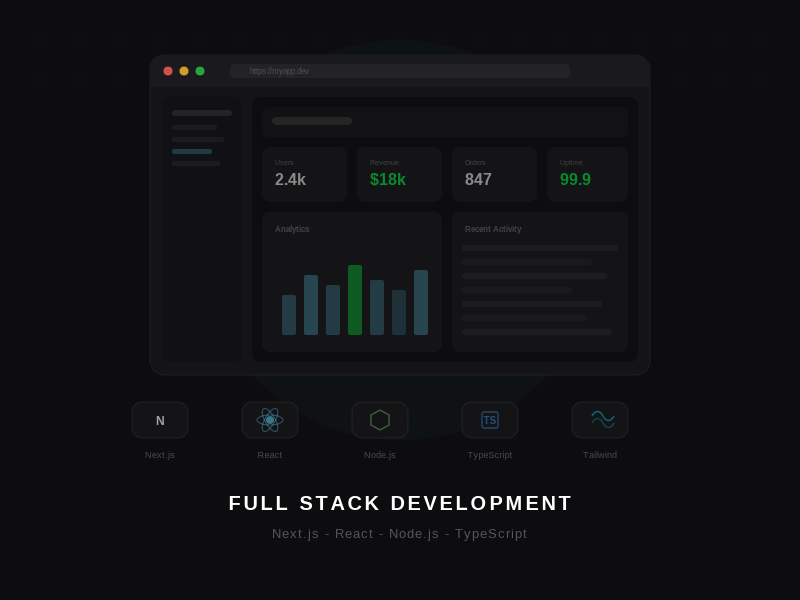
I also build web apps end to end: Next.js and React on the front, Node.js and a real database behind it, shipped through CI/CD. This site is one of them.
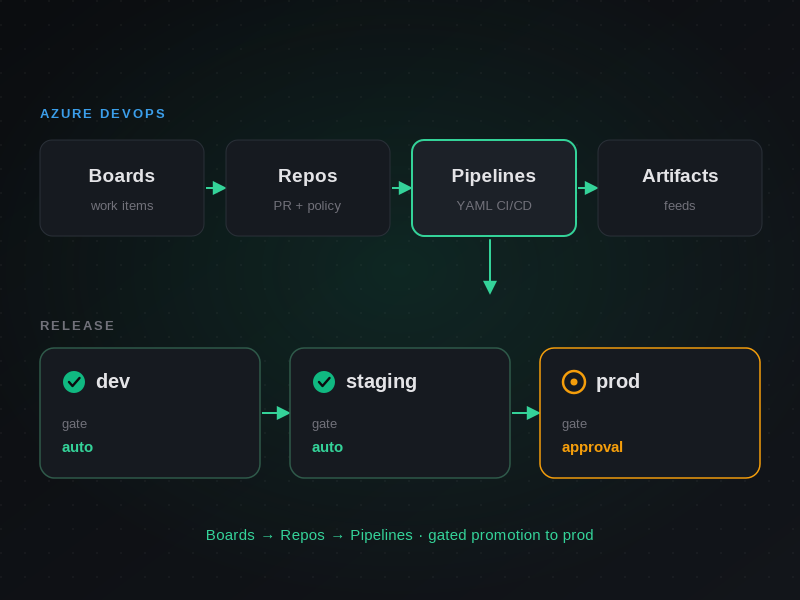
Rolled out Azure DevOps across the whole delivery flow: Boards for planning, Repos with branch policies, multi-stage YAML pipelines and gated releases to production.
The most interesting problems right now sit at the intersection of reliability engineering and machine learning. Here's where I'm looking.
Using ML to spot trouble early and scale ahead of load, instead of paging someone after it has already broken.
Most monitoring still just tells you something broke. I'm interested in systems that can fix the common failures on their own.
Models should go through the same process as code: versioned, tested and shipped through a pipeline.
Kubernetes suits AI workloads well. The goal is to make serving a model as routine as deploying any other service.
Tell me what you're building and where it hurts. I'll tell you honestly whether I can help. I usually reply within a day.